
What is the best time to apply ice melt to my driveway?
Ice melt application timing significantly affects driveway safety and treatment effectiveness throughout winter weather cycles. Strategic timing optimizes ice control while minimizing product waste and environmental impacts.
Apply ice melt before snowfall begins for easier removal through anti-icing strategies that prevent ice bond formation. Pre-storm applications create chemical barriers reducing snow adhesion to driveway surfaces, facilitating mechanical removal whether using shovels, snow blowers, or plows. Apply products 12-24 hours before forecast precipitation when weather confidence warrants proactive treatment, allowing proper distribution and activation before snow arrival. This preventive approach reduces total ice melt requirements compared to reactive applications after ice forms.
Treat remaining ice patches immediately after clearing snow to prevent refreezing and maintain safe driveway accessibility. Post-clearing application addresses residual compacted snow, areas resisting mechanical removal, and prevents dangerous ice formation as temperatures fluctuate. Immediate treatment while driveway surfaces retain relative warmth proves more effective than delayed application after ice solidifies. Surface temperatures even slightly above freezing enhance ice melt performance through faster chemical reactions compared to applications on deeply frozen surfaces.
Temperature considerations critically affect product selection and application timing since different chemicals function within specific temperature ranges. Rock salt loses effectiveness below 15-20F making application during extreme cold wasteful regardless of timing relative to snowfall. Choose products matching current and forecast temperatures, applying when conditions optimize chemical activity. Calcium chloride works in colder conditions down to -25F while magnesium chloride functions to approximately 5F, each offering optimal performance windows.
Multiple applications throughout winter weather events maintain protection during extended storms and freeze-thaw cycles. Single applications rarely provide adequate protection throughout multi-day cold spells or periods with ongoing precipitation. Monitor treated surfaces and reapply when effectiveness diminishes, typically every 24-48 hours during active winter weather. This systematic approach prevents ice reformation between treatments rather than allowing hazardous conditions to develop before reactive applications restore safety.
Tools & Supplies

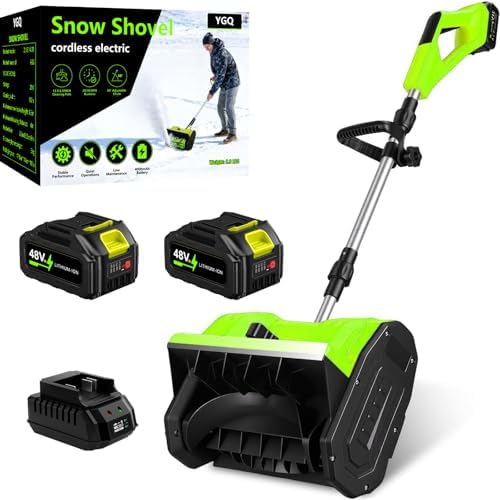


As an Amazon Associate, we earn from qualifying purchases. This page may contain affiliate links, and we may earn a commission at no additional cost to you.
Find Snow Removal Near You
IA
- Ames
- Ankeny
- Bettendorf
- Bloomfield
- Boone
- Carlisle
- Cedar Falls
- Cedar Rapids
- Coralville
- Council Bluffs
- Davenport
- Denver
- Des Moines
- Dubuque
- Dunkerton
- Eldridge
- Epworth
- Evansdale
- Fort Dodge
- Hiawatha
- Huxley
- Iowa City
- Janesville
- Johnston
- Kelley
- Malvern
- Maquoketa
- Marion
- Maxwell
- Muscatine
- Nevada
- North Liberty
- Norwalk
- Pleasant Hill
- Red Oak
- Sergeant Bluff
- Solon
- Sumner
- Urbandale
- Waterloo
- Waukee
- West Des Moines
- West Union
IL
- Addison
- Antioch
- Arlington Heights
- Barrington
- Bartlett
- Bedford Park
- Carol Stream
- Carpentersville
- Chicago Ridge
- Chicago
- Cicero
- East Dundee
- East St. Louis
- Elgin
- Forest Park
- Gilberts
- Itasca
- Machesney Park
- Markham
- McHenry
- Milan
- Mount Prospect
- Oak Lawn
- Palatine
- Prospect Heights
- Quincy
- Rock City
- Rock Island
- Rockford
- Roscoe
- Roselle
- Schaumburg
- Sleepy Hollow
- South Beloit
- Wheaton
- Wood Dale
- Woodstock
KS
MO
ND
NJ
WI
- Altoona
- Appleton
- Beloit
- Brookfield
- Burlington
- Butler
- Caledonia
- Chippewa Falls
- Cottage Grove
- Cuba City
- Cudahy
- Custer
- De Pere
- Delavan
- Eau Claire
- Eleva
- Elkhorn
- Evansville
- Fall Creek
- Fennimore
- Fitchburg
- Fond du Lac
- Genoa City
- Glendale
- Green Bay
- Greenleaf
- Janesville
- Jefferson
- Juda
- Kenosha
- Kewaunee
- Kronenwetter
- Lake Geneva
- Lake Hallie
- Madison
- Menomonee Falls
- Middleton
- Milton
- Milwaukee
- Mondovi
- Monona
- Monroe
- Mosinee
- Mount Horeb
- Mount Pleasant
- Muskego
- New Berlin
- Oak Creek
- Oregon
- Pigeon Falls
- Plainfield
- Platteville
- Pleasant Prairie
- Plover
- Racine
- Seymour
- Stevens Point
- Sturtevant
- Suamico
- Sun Prairie
- Twin Lakes
- Union Grove
- Verona
- Walworth
- Waukesha
- Wausau
- Wauwatosa
- West Allis
- West Bend
- Weston
- Wisconsin Rapids