Ice Removal and De-Icing Services
Ice Removal and De-Icing Services
Ice removal and de-icing services are used to reduce slippery surfaces caused by freezing rain, compacted snow, and repeated freeze–thaw cycles. These services are commonly applied to driveways, sidewalks, parking lots, and other paved areas where ice buildup creates safety risks.
Ice management is often performed alongside snow removal but may also be needed independently when ice forms without significant snowfall.
Common Ice Control Services
Ice removal providers use different approaches depending on surface conditions, temperature, and timing.
De-Icing Applications
De-icing treatments are applied after ice has formed to help break the bond between ice and pavement. Materials commonly used include rock salt, liquid brine, and calcium-based products.
Mechanical Ice Removal
Thick or compacted ice may require physical removal using scrapers, chippers, or specialized equipment. Mechanical removal is often followed by chemical treatment to reduce refreezing.
Preventive Anti-Icing
Anti-icing involves applying liquid treatments before a weather event to prevent ice from bonding to surfaces. This method is often more effective than treating ice after it forms and can reduce material use.
Emergency Ice Clearing
Emergency ice services address sudden hazardous conditions caused by freezing rain or rapid temperature changes. These services focus on restoring traction as quickly as possible.
Ice Control Materials and Methods
Different ice control products perform better under specific temperature ranges and surface conditions.
Rock Salt and Salt Blends
Rock salt is widely used and cost-effective but becomes less effective at lower temperatures. Repeated use may damage concrete, vegetation, and nearby surfaces.
Liquid Brine Treatments
Liquid brine is commonly used for pre-treatment and fast-acting de-icing. It is applied evenly and works more quickly than granular materials.
Calcium and Magnesium Chloride
These products work at lower temperatures than rock salt and generate heat as they dissolve. They are often used in colder conditions or high-risk areas.
Eco-Friendly Ice Melts
Organic or plant-based ice control products reduce environmental impact and are safer for pets and vegetation, though they typically cost more.
Sand and Traction Materials
Sand does not melt ice but improves traction. It is often used when temperatures are too low for chemical treatments or in environmentally sensitive areas.
Professional vs DIY Ice Management
Ice control can be handled professionally or on a small scale by property owners, depending on the situation.
When Professional Services Are Used
Large properties, steep surfaces, frequent ice events, or commercial areas often rely on professional ice management. Businesses may require professional treatment to address liability concerns.
DIY Ice Control
Small residential areas may be managed using store-bought ice melt and basic tools. Proper product selection and safe application are important to avoid surface damage.
Safety Considerations
Ice removal presents risks related to slips, falls, and chemical exposure. Professional crews are trained to work on icy surfaces and use equipment designed for controlled application.
Finding Ice Removal Providers
Ice management services are often offered by snow removal companies, landscaping providers, and property maintenance firms. Some specialize specifically in ice control.
Service availability, response time, and pricing vary by location and weather conditions. Ice management may be billed per application, included in seasonal contracts, or priced separately for emergency service.
Surface-Specific Ice Treatment
Different surface types require different ice control approaches.
Concrete and Asphalt
New or decorative concrete may be sensitive to harsh chemicals. Asphalt surfaces can be affected by repeated freeze–thaw cycles.
Pavers and Decorative Surfaces
Stamped concrete and pavers often require gentler treatments to avoid staining or surface damage.
Gravel and Unpaved Areas
Sand is commonly used on gravel surfaces, as chemical treatments may wash away or concentrate unevenly.
Vegetation and Environmental Areas
Areas near lawns, gardens, or water sources may require eco-friendly products to reduce environmental impact.
Ice Removal and De-Icing Services FAQs
Do snow blowing services work in wet, heavy snow?
+How often should ice control treatments be reapplied?
+What should I have ready when calling for emergency snow removal?
+What size parking lot requires professional snow removal?
+Can I get emergency snow removal without a seasonal contract?
+Do commercial snow removal services include sidewalk maintenance?
+Tools & Supplies

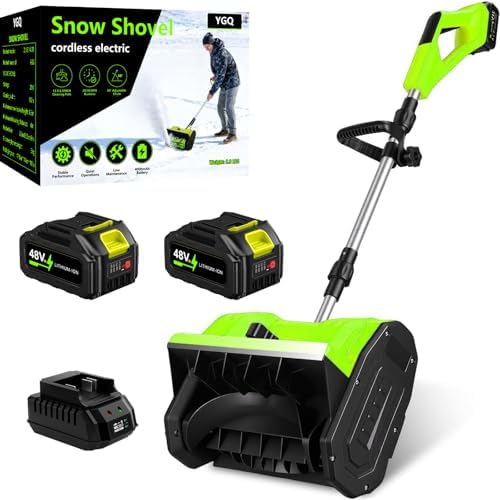


As an Amazon Associate, we earn from qualifying purchases. This page may contain affiliate links, and we may earn a commission at no additional cost to you.
Find Ice Removal and De-Icing Services Near You
IA
- Ames
- Ankeny
- Bettendorf
- Bloomfield
- Boone
- Carlisle
- Cedar Falls
- Cedar Rapids
- Coralville
- Council Bluffs
- Davenport
- Denver
- Des Moines
- Dubuque
- Dunkerton
- Eldridge
- Epworth
- Evansdale
- Fort Dodge
- Hiawatha
- Huxley
- Iowa City
- Janesville
- Johnston
- Kelley
- Malvern
- Maquoketa
- Marion
- Maxwell
- Muscatine
- Nevada
- North Liberty
- Norwalk
- Pleasant Hill
- Red Oak
- Sergeant Bluff
- Solon
- Sumner
- Urbandale
- Waterloo
- Waukee
- West Des Moines
- West Union
IL
- Addison
- Antioch
- Arlington Heights
- Barrington
- Bartlett
- Bedford Park
- Carol Stream
- Carpentersville
- Chicago Ridge
- Chicago
- Cicero
- East Dundee
- East St. Louis
- Elgin
- Forest Park
- Gilberts
- Itasca
- Machesney Park
- Markham
- McHenry
- Milan
- Mount Prospect
- Oak Lawn
- Palatine
- Prospect Heights
- Quincy
- Rock City
- Rock Island
- Rockford
- Roscoe
- Roselle
- Schaumburg
- Sleepy Hollow
- South Beloit
- Wheaton
- Wood Dale
- Woodstock
KS
MO
ND
NJ
WI
- Altoona
- Appleton
- Beloit
- Brookfield
- Burlington
- Butler
- Caledonia
- Chippewa Falls
- Cottage Grove
- Cuba City
- Cudahy
- Custer
- De Pere
- Delavan
- Eau Claire
- Eleva
- Elkhorn
- Evansville
- Fall Creek
- Fennimore
- Fitchburg
- Fond du Lac
- Genoa City
- Glendale
- Green Bay
- Greenleaf
- Janesville
- Jefferson
- Juda
- Kenosha
- Kewaunee
- Kronenwetter
- Lake Geneva
- Lake Hallie
- Madison
- Menomonee Falls
- Middleton
- Milton
- Milwaukee
- Mondovi
- Monona
- Monroe
- Mosinee
- Mount Horeb
- Mount Pleasant
- Muskego
- New Berlin
- Oak Creek
- Oregon
- Pigeon Falls
- Plainfield
- Platteville
- Pleasant Prairie
- Plover
- Racine
- Seymour
- Stevens Point
- Sturtevant
- Suamico
- Sun Prairie
- Twin Lakes
- Union Grove
- Verona
- Walworth
- Waukesha
- Wausau
- Wauwatosa
- West Allis
- West Bend
- Weston
- Wisconsin Rapids