
How often should ice control treatments be reapplied?
Ice control treatment reapplication frequency depends on multiple dynamic factors including weather conditions, traffic patterns, product characteristics, and surface temperatures. Understanding reapplication timing helps maintain consistently safe conditions while optimizing treatment costs and environmental impacts.
Weather conditions during and after initial treatment dramatically affect product longevity and reapplication needs. Dry, stable cold weather following treatment allows ice melt products to remain effective for 24-72 hours or longer. However, additional precipitation during this period dilutes treatments, washes materials away, or introduces new moisture that forms ice despite previous applications. Temperature fluctuations causing repeated freeze-thaw cycles accelerate product consumption as ice melts repeatedly then refreezes. Properties experiencing ongoing winter weather require more frequent reapplication than those with occasional storms followed by extended cold, dry periods.
Traffic levels significantly impact treatment longevity across different property areas. High-traffic walkways, building entrances, and frequently used driveways wear away ice control products much faster than low-traffic areas. Vehicle tires and foot traffic physically remove granular products, while tracked snow and moisture from traffic areas introduce new ice formation challenges. Commercial properties with heavy pedestrian or vehicle traffic may require daily reapplication during active winter weather, while residential properties with modest traffic maintain treatment effectiveness longer between applications.
Product type selection influences reapplication frequency requirements. Liquid anti-icing treatments applied before storms provide initial protection but rarely offer extended effectiveness once precipitation begins. Granular products like rock salt, calcium chloride, and magnesium chloride vary in longevity based on temperature conditions and moisture exposure. Slow-release formulations and enhanced products containing adhesion agents remain effective longer than basic commodity materials. Professional ice control services select products balancing upfront cost against total seasonal expenses including reapplication labor and materials.
Temperature ranges affect both product effectiveness and consumption rates. Extreme cold below product working temperatures renders initial treatments ineffective, necessitating immediate reapplication with appropriate cold-weather products. Temperatures hovering near freezing create optimal conditions for ice formation, requiring vigilant monitoring and frequent reapplication to prevent hazardous conditions. During extended cold snaps, surface conditions may remain stable for days without reapplication, while variable temperatures near freezing demand daily or even multiple daily treatments.
Professional monitoring programs provide systematic reapplication management superior to reactive approaches. Quality ice control services conduct regular site inspections during winter weather, assessing surface conditions, product effectiveness, and emerging ice formation. This proactive monitoring allows timely reapplication before hazardous conditions develop rather than responding after ice accumulation creates safety incidents. Automated weather monitoring integrated with treatment schedules optimizes reapplication timing based on forecast precipitation, temperature trends, and historical property-specific ice formation patterns rather than arbitrary calendar-based schedules that may under-serve or over-treat properties.
Tools & Supplies

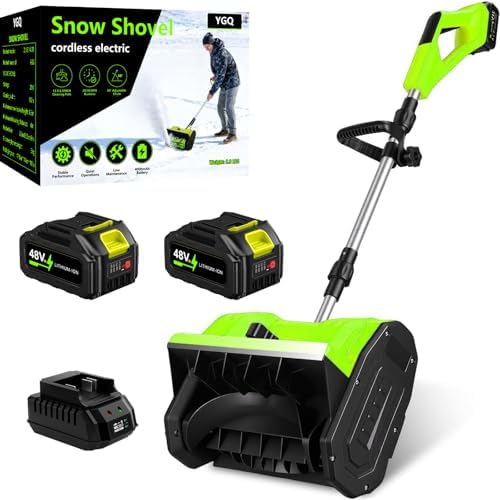


As an Amazon Associate, we earn from qualifying purchases. This page may contain affiliate links, and we may earn a commission at no additional cost to you.
Find Snow Removal Near You
IA
- Ames
- Ankeny
- Bettendorf
- Bloomfield
- Boone
- Carlisle
- Cedar Falls
- Cedar Rapids
- Coralville
- Council Bluffs
- Davenport
- Denver
- Des Moines
- Dubuque
- Dunkerton
- Eldridge
- Epworth
- Evansdale
- Fort Dodge
- Hiawatha
- Huxley
- Iowa City
- Janesville
- Johnston
- Kelley
- Malvern
- Maquoketa
- Marion
- Maxwell
- Muscatine
- Nevada
- North Liberty
- Norwalk
- Pleasant Hill
- Red Oak
- Sergeant Bluff
- Solon
- Sumner
- Urbandale
- Waterloo
- Waukee
- West Des Moines
- West Union
IL
- Addison
- Antioch
- Arlington Heights
- Barrington
- Bartlett
- Bedford Park
- Carol Stream
- Carpentersville
- Chicago Ridge
- Chicago
- Cicero
- East Dundee
- East St. Louis
- Elgin
- Forest Park
- Gilberts
- Itasca
- Machesney Park
- Markham
- McHenry
- Milan
- Mount Prospect
- Oak Lawn
- Palatine
- Prospect Heights
- Quincy
- Rock City
- Rock Island
- Rockford
- Roscoe
- Roselle
- Schaumburg
- Sleepy Hollow
- South Beloit
- Wheaton
- Wood Dale
- Woodstock
KS
MO
ND
NJ
WI
- Altoona
- Appleton
- Beloit
- Brookfield
- Burlington
- Butler
- Caledonia
- Chippewa Falls
- Cottage Grove
- Cuba City
- Cudahy
- Custer
- De Pere
- Delavan
- Eau Claire
- Eleva
- Elkhorn
- Evansville
- Fall Creek
- Fennimore
- Fitchburg
- Fond du Lac
- Genoa City
- Glendale
- Green Bay
- Greenleaf
- Janesville
- Jefferson
- Juda
- Kenosha
- Kewaunee
- Kronenwetter
- Lake Geneva
- Lake Hallie
- Madison
- Menomonee Falls
- Middleton
- Milton
- Milwaukee
- Mondovi
- Monona
- Monroe
- Mosinee
- Mount Horeb
- Mount Pleasant
- Muskego
- New Berlin
- Oak Creek
- Oregon
- Pigeon Falls
- Plainfield
- Platteville
- Pleasant Prairie
- Plover
- Racine
- Seymour
- Stevens Point
- Sturtevant
- Suamico
- Sun Prairie
- Twin Lakes
- Union Grove
- Verona
- Walworth
- Waukesha
- Wausau
- Wauwatosa
- West Allis
- West Bend
- Weston
- Wisconsin Rapids