
When should parking lot snow removal begin during a storm?
Determining when parking lot snow removal services begin during a storm depends on contract specifications, operational requirements, and the type of business or facility being served. Most commercial snow removal agreements establish clear trigger depths that activate service delivery.
Trigger depths typically range from 2 to 4 inches of accumulation, though specific requirements vary based on property type and business needs. Retail locations often specify lower trigger depths, sometimes as low as 1-2 inches, to maintain customer access and prevent slip-and-fall incidents during business hours. Office complexes and industrial facilities may accept higher trigger depths of 3-4 inches, particularly when most accumulation occurs outside operational hours.
Zero-tolerance contracts represent the most demanding service level, requiring continuous clearing throughout storm events to maintain bare pavement conditions. Medical facilities, emergency services locations, and some high-traffic retail properties utilize zero-tolerance agreements to ensure uninterrupted access regardless of snowfall intensity. These contracts carry premium pricing but provide maximum safety and accessibility.
Timing considerations extend beyond simple depth measurements. Many commercial contracts specify that lots must be cleared and safe before business opening times. A business opening at 6 AM might require service to begin when accumulation reaches trigger depth after midnight, or earlier if forecasts predict continued heavy snowfall. Properties with 24-hour operations need different timing approaches, often involving multiple clearing passes throughout extended storm events.
Pre-treatment services increasingly factor into modern snow removal timing strategies. Contractors may apply anti-icing treatments before precipitation begins, reducing the bond between pavement and snow. This proactive approach allows faster clearing once removal operations commence and can lower the total salt and ice melt required throughout the storm cycle.
Continuous clearing during extended storms prevents excessive accumulation that becomes difficult and time-consuming to remove. When forecasts predict 12+ inches of total accumulation, many providers recommend interim clearing passes every 3-4 inches rather than waiting for the storm to end. This approach maintains safer conditions throughout the event and prevents the heavy, compacted snow that develops when deep accumulations sit undisturbed for extended periods.
Tools & Supplies

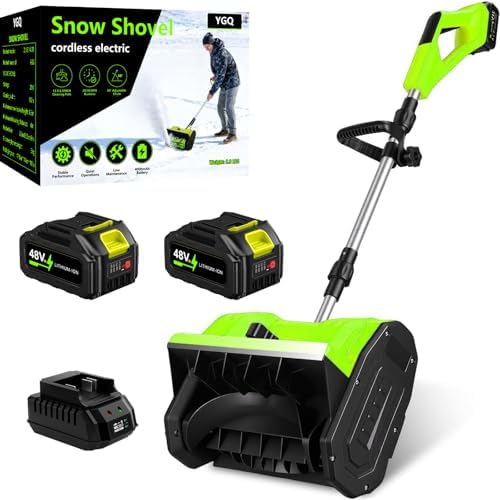


As an Amazon Associate, we earn from qualifying purchases. This page may contain affiliate links, and we may earn a commission at no additional cost to you.
Find Snow Removal Near You
IA
- Ames
- Ankeny
- Bettendorf
- Bloomfield
- Boone
- Carlisle
- Cedar Falls
- Cedar Rapids
- Coralville
- Council Bluffs
- Davenport
- Denver
- Des Moines
- Dubuque
- Dunkerton
- Eldridge
- Epworth
- Evansdale
- Fort Dodge
- Hiawatha
- Huxley
- Iowa City
- Janesville
- Johnston
- Kelley
- Malvern
- Maquoketa
- Marion
- Maxwell
- Muscatine
- Nevada
- North Liberty
- Norwalk
- Pleasant Hill
- Red Oak
- Sergeant Bluff
- Solon
- Sumner
- Urbandale
- Waterloo
- Waukee
- West Des Moines
- West Union
IL
- Addison
- Antioch
- Arlington Heights
- Barrington
- Bartlett
- Bedford Park
- Carol Stream
- Carpentersville
- Chicago Ridge
- Chicago
- Cicero
- East Dundee
- East St. Louis
- Elgin
- Forest Park
- Gilberts
- Itasca
- Machesney Park
- Markham
- McHenry
- Milan
- Mount Prospect
- Oak Lawn
- Palatine
- Prospect Heights
- Quincy
- Rock City
- Rock Island
- Rockford
- Roscoe
- Roselle
- Schaumburg
- Sleepy Hollow
- South Beloit
- Wheaton
- Wood Dale
- Woodstock
KS
MO
ND
NJ
WI
- Altoona
- Appleton
- Beloit
- Brookfield
- Burlington
- Butler
- Caledonia
- Chippewa Falls
- Cottage Grove
- Cuba City
- Cudahy
- Custer
- De Pere
- Delavan
- Eau Claire
- Eleva
- Elkhorn
- Evansville
- Fall Creek
- Fennimore
- Fitchburg
- Fond du Lac
- Genoa City
- Glendale
- Green Bay
- Greenleaf
- Janesville
- Jefferson
- Juda
- Kenosha
- Kewaunee
- Kronenwetter
- Lake Geneva
- Lake Hallie
- Madison
- Menomonee Falls
- Middleton
- Milton
- Milwaukee
- Mondovi
- Monona
- Monroe
- Mosinee
- Mount Horeb
- Mount Pleasant
- Muskego
- New Berlin
- Oak Creek
- Oregon
- Pigeon Falls
- Plainfield
- Platteville
- Pleasant Prairie
- Plover
- Racine
- Seymour
- Stevens Point
- Sturtevant
- Suamico
- Sun Prairie
- Twin Lakes
- Union Grove
- Verona
- Walworth
- Waukesha
- Wausau
- Wauwatosa
- West Allis
- West Bend
- Weston
- Wisconsin Rapids